43 understanding food labels canada
Understanding Food Labels in Canada - Unlock Food Understanding Food Labels in Canada Nutrition labelling became mandatory in Canada in 2007 on all prepackaged foods. Since then, nutrition and ingredient information has been listed on the food label. They have been designed to be easy to find, simple to read and to allow Canadians to make informed food choices. What information is on a food label? Food labels - Canada.ca Documents for industry that outline rules for specific labelling requirements. Understanding food labels About nutrition facts tables, serving size, the list of ingredients, percent daily value and nutrition claims. Food label requirements Industry Labelling Tool for Canadian food inspectors and stakeholders. Shopping for Canadian food
Understanding Food Loss and Waste—Why Are We Losing and ... Jul 29, 2019 · 1. Introduction. Food loss and waste (FLW) is recognized as a serious threat to food security, the economy, and the environment [].Approximately one-third of all food produced for human consumption (1.3 billion tons of edible food) is lost and wasted across the entire supply chain every year [].

Understanding food labels canada
Understanding Kosher Symbols and Certifications - The Spruce Eats Aug 12, 2019 · While the OU, OK, Kof-K, and Star-K have deep international reach, there are kosher agencies on all six habitable continents. Particularly prominent among the various international kosher supervisors are the London Beit Din, the Kashrus Council of Canada, Kosher Australia, and Rabbi Mordechai Rottenberg (Chief Rabbi of Paris). Nutrition Labelling Online Course - Canada.ca Completing this course will increase your understanding of the latest nutrition labelling information. Further, if your work involves nutrition education, you can use this updated information to share with Canadians. Course topics include: Food labelling in Canada Nutrition facts table Serving size % daily value List of ingredients Nutrition claims Understanding Food Labels in Canada - EY LiveWell It must include the serving size, calories, % Daily Value and 13 core nutrients (fat, saturated fat, trans fat, cholesterol, sodium, carbohydrate, fibre, sugars, protein, vitamin A, vitamin C, calcium and iron). The format is consistent across all food products to allow for easy comparison between different items.
Understanding food labels canada. Reading and Understanding Food Labels in Canada - GFIT Wellness In this blog post we will explain how to read food labels so that you can differentiate between mislabeled junk and truly healthy foods. Step 1: Look at the serving size The serving size is at the top of the Nutrition Facts table. All the information in the Nutrition Facts table is based on this amount. Nutrition claims - Canada.ca There are two types of nutrition claims on foods: nutrient content claims and health claims. These claims must also follow certain rules from Health Canada to make sure that they are consistent and not misleading. These claims are optional and may be found on some food products. Nutrient content claims describe the amount of a nutrient in a food. Understanding the Basics of Food Safety Regulations Feb 15, 2018 · The history of modern food safety regulations can be traced back to the Pure Food and Drug Act and Meat Inspection Act, both passed in 1906 by Theodore Roosevelt into law. The earliest days of U.S. food regulation were in direct response to public outcry from Upton Sinclair’s 1906 publication of The Jungle , which described the horrific ... Food label: ingredient list - Canada.ca This means that a food contains more of the ingredients found at the beginning of the list, and less of the ingredients at the end of the list. Example: The ingredient list below is for bran cereal. The ingredient that is present in the largest amount is whole wheat , and the ingredient present in the smallest amount is minerals .
Reading and understanding food labels - Human Kinetics Canada Under the Food and Drugs Act, Health Canada requires labeling for all packaged foods. Food labels are not required on fresh meat, poultry, raw seafood, fresh fruit and vegetables, food prepared or processed in store, foods that contain very few nutrients (e.g., vinegar, spices), and alcoholic beverages, although you can find nutrient ... Understanding a food label - Food Labelling in Canada(Flash) Understanding a food label - Food Labelling in Canada (Flash) Close Flash and return to text version. Food labels - Canadian Food Inspection Agency Understanding food labels, country of origin, allergens, date marking, genetically engineered foods, food fraud. Legislative framework Purpose, key acts and regulations, shared responsibility for food labelling. Use food labels - Canada's Food Guide Food labels provide information you can use to make informed choices about foods and drinks at the grocery store and at home. Food labels can help you: compare and choose products more easily know what ingredients a food product contains choose products with a little or a lot of the nutrients that are of interest to you Changes to food labels
Understanding food labels | Gouvernement du Québec Food labels are a good way to find out about the nutritional value of foods. They can help you make smart food choices. You will find valuable nutrition information on pre-packaged foods if you read their labels, namely: Nutrition facts table List of ingredients Nutrition claims Food product labelling is regulated by Health Canada. Understanding food labels - Canada.ca Understanding food labels - Canada.ca Understanding food labels Food labels, nutrition facts tables, serving size, ingredients, % daily value, nutrition claims. Services and information Nutrition facts tables How to use, what is in them, foods that don't have a nutrition facts table. Serving size Understanding Food Labels in Canada Understanding Food Labels in Canada Nutrition labelling became mandatory in Canada in 2007 on all prepackaged foods. Since then, nutrition and ingredient information has been listed on the food label. They have been designed to be easy to find, simple to read and to allow Canadians to make informed food choices. What information is on a food label? Date labelling on pre-packaged foods - Canadian Food ... Information about dates on pre-packaged food is a valuable source of information for consumers. A basic understanding of what terms are used can help you to better understand these labels. There are different kinds of date markings, depending on the product. The most common terms are "best-before" dates, "packaged on" dates, and expiration dates.

Recommended Restaurants for Dairy-Free Living
Understanding a food label - Canadian Food Inspection Agency Certain elements of food labels are mandatory on most packaged food products and must follow specific rules. These key labelling elements are: the Nutrition Facts Table, list of ingredients, allergen statements - especially if you or someone you know has food allergies - and date marking information, such as best before dates. Nutrition Facts Table

Understanding Food labels
Understanding food labels - Human Kinetics Canada If a food item has this label, the fat and sugar must be less than 0.5 gram per serving, and calorie free must be no more than 5 calories per serving. It's important to understand that just because a food item is fat free it may be very high in sugar and calories. If it claims to be sugar free, it still may be in high in fat and calories.
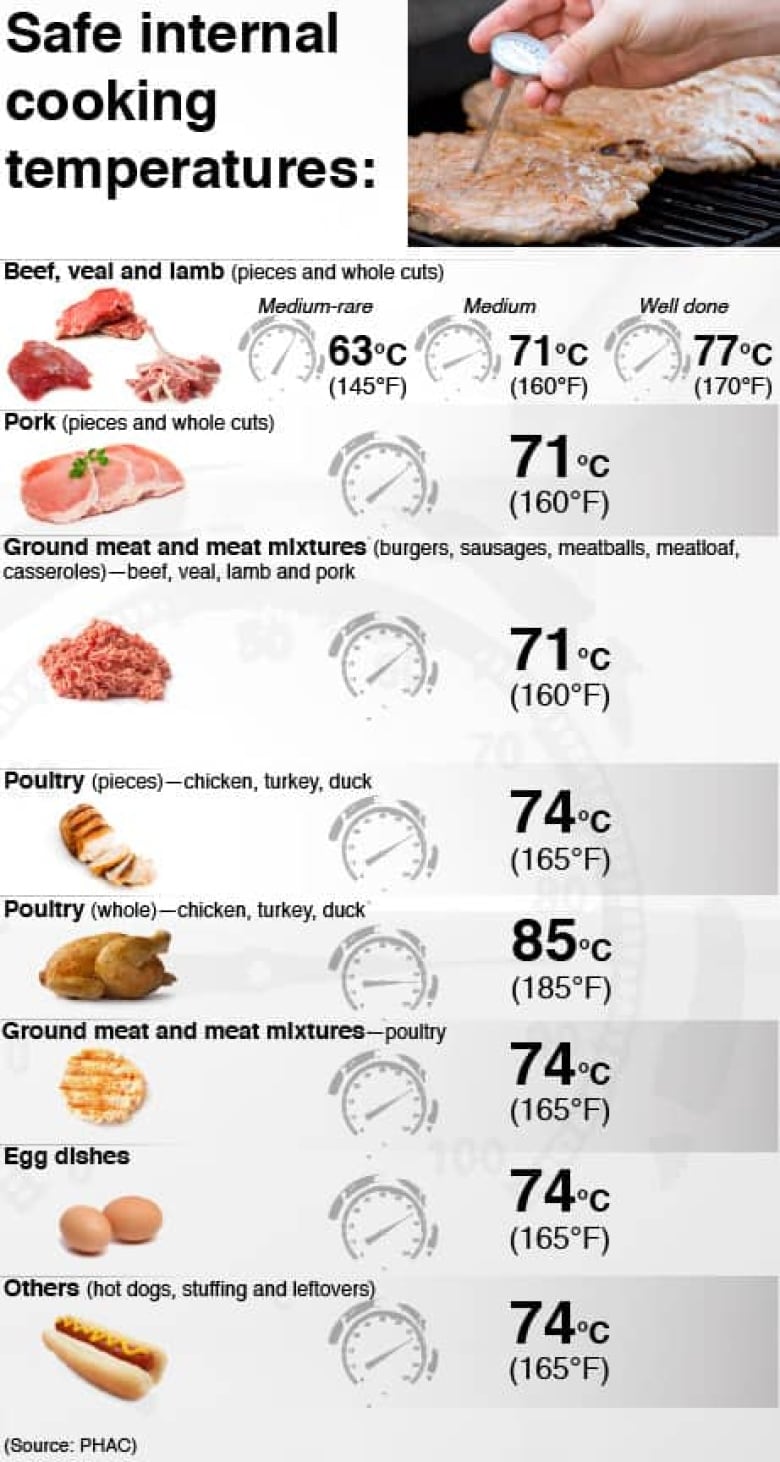
Canadians 'need to know' about mechanically tenderized meat | CBC News
Understanding Food Labels in Canada - Cintas Step 1 - Serving size: The information on both packages refers to one burger. They both weigh the same. Step 2 - Calories: Product 1 has 210 calories per serving and product 2 has 123 calories per serving. Step 3 - Look at the % Daily Value: Do a quick scan and see what nutrients each product is high in and low in.

Food for Thought - GS1 Canada's Grocery and Foodservice Newsletter
Understanding a food label - Food Labelling in Canada (Mobile) DATE MARKING. "Product of Canada" and "Made in Canada" claims have specific guidelines that must be met in order for companies to use the claim. A "Product of Canada" label means that all, or virtually all (generally 98 per cent), of the food, processing and labour used to make the food is Canadian.
Enjoy Crabapples All Year Long - Home & Family
Understanding Food Nutrition Labels | American Heart Association Remember that the information shown in the label is based on a diet of 2,000 calories a day. You may need less or more than 2,000 calories depending upon your age, gender, activity level, and whether you're trying to lose, gain or maintain your weight. When the Nutrition Facts label says a food contains "0 g" of trans fat, but includes ...
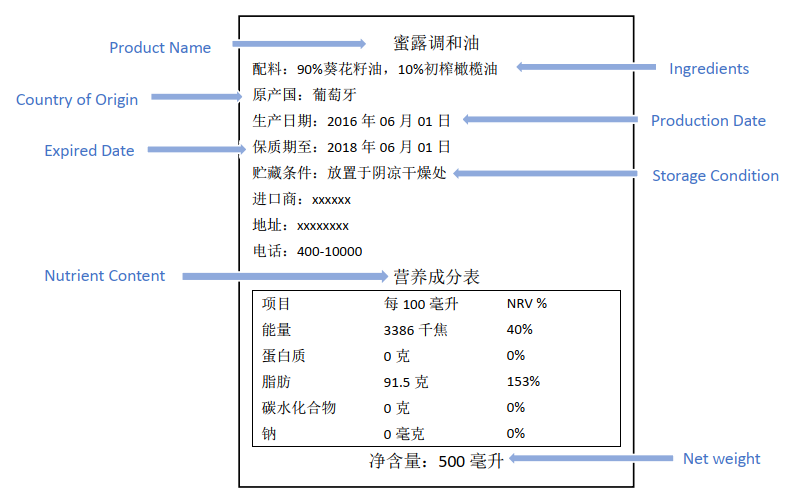
30 What Is Required On A Food Label - Labels For You
Understanding Food Labels in Canada - EY LiveWell It must include the serving size, calories, % Daily Value and 13 core nutrients (fat, saturated fat, trans fat, cholesterol, sodium, carbohydrate, fibre, sugars, protein, vitamin A, vitamin C, calcium and iron). The format is consistent across all food products to allow for easy comparison between different items.
Canada demands more visible warnings for junk food
Nutrition Labelling Online Course - Canada.ca Completing this course will increase your understanding of the latest nutrition labelling information. Further, if your work involves nutrition education, you can use this updated information to share with Canadians. Course topics include: Food labelling in Canada Nutrition facts table Serving size % daily value List of ingredients Nutrition claims

Food Law and Labelling 2012
Understanding Kosher Symbols and Certifications - The Spruce Eats Aug 12, 2019 · While the OU, OK, Kof-K, and Star-K have deep international reach, there are kosher agencies on all six habitable continents. Particularly prominent among the various international kosher supervisors are the London Beit Din, the Kashrus Council of Canada, Kosher Australia, and Rabbi Mordechai Rottenberg (Chief Rabbi of Paris).

'food labelling' on SlideShare
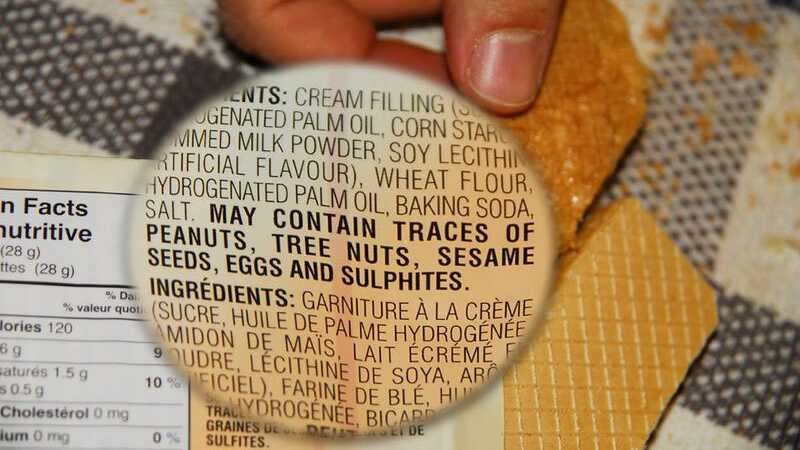
Food Labelling - Food Allergy Canada
Exploring the Bordeaux Wine Region - WineCollective Blog

Changes ahead for Canadian food labels, and you can have your say | CBC News
.png?resize=678%2C939&ssl=1)
Reliable Sources Of Nutritional Information Uk | Besto Blog

What You Can Do to Support the Food Label Changes - Health
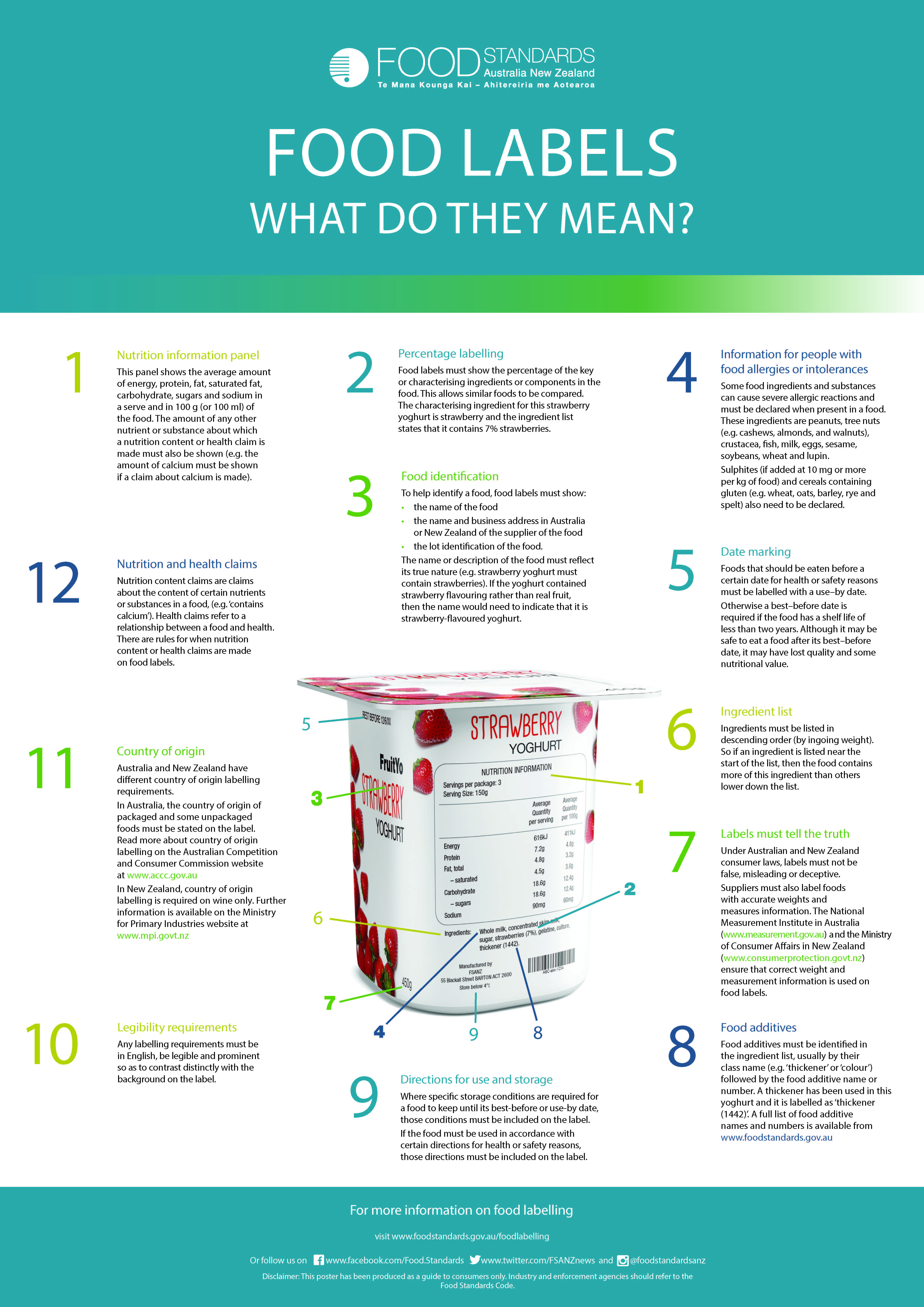
Food labelling

Food Nutrition Labels | Nutritionist Pro
Post a Comment for "43 understanding food labels canada"