45 salt on food labels
How to Convert Sodium to Salt for a Food Label - Positive ID Labels The government has mandated a simple conversion factor so you can convert sodium to salt for a food label with ease. That factor is 2.5. Examples of how to convert sodium to salt for a food label Basically Sodium x 2.5 = Salt From a chemistry point of view, the reason for this is as follows: Sodium has an atomic mass of 22.99 List of ingredients and allergens on food labels - Canadian ... Health Canada and the CFIA encourage food manufacturers and importers to use the title "May contain:" or "May contain" to introduce the cross-contamination statement on food labels. If a title is used, it must appear in bold when the statement appears on the same line as the ingredient list or the "food allergen source, gluten and added ...
Are You Eating Too Much Salt? - WebMD 23/03/2021 · Salt is a seasoning that can flavor food and act as a preservative. It’s about 60% chloride and about 40% sodium. Nearly all unprocessed foods -- think veggies, fruits, nuts, meats, whole grains ...

Salt on food labels
Food Labels | CDC In general, eat more foods that are higher in vitamins, minerals (such as calcium and iron), and fiber. Eat fewer foods that are higher in added sugars, saturated fat, and sodium (salt), and avoid trans fat. Keep in mind that the % Daily Value of each nutrient, such as total fat of 10% in the example below, is based on eating 2,000 calories a day. Food labels - NHS Some front-of-pack nutrition labels use red, amber and green colour coding. Colour-coded nutritional information tells you at a glance if the food has high, medium or low amounts of fat, saturated fat, sugars and salt: red means high amber means medium green means low In short, the more green on the label, the healthier the choice. Reduce salt - Food facts - Healthier Families - NHS We're all eating too much salt. We should be having 6g of salt a day max, which is less than a teaspoon! The following foods are all ones to watch out for and cut back on if you can. And remember, food, especially packaged food, can be really high in salt even if it does not taste particularly salty.
Salt on food labels. Canada to fight poor diet with labels for sugar, salt, saturated fat 30/06/2022 · OTTAWA — Foods high in sugars, sodium and saturated fat will come with clear warning labels in Canada starting in 2026, the federal government said on Thursday, in an effort to promote healthier ... Reading labels - Action on Salt Look at the weight of the packet as a guide. Step 1 - Calculate how much salt there is per gram by dividing the amount of salt per 100g by 100 Step 2 - Check the weight of a recommended portion as stated on the pack Step 3 - Finally, work out how much salt there is per portion by multiplying the figures from step 2 and step 3 FoodSwitch Different Names for Sodium in Food | Healthy Eating | SF Gate Sodium might also be labeled as baking soda, baking powder, monosodium glutamate (MSG), disodium phosphate or salt. Recommended Intake Healthy adults should consume no more than 2,300 milligrams of... How to understand food labels - Eat For Health Sometimes labels will include nutrition content claims like 'low fat', 'reduced salt' or 'high fibre'. These claims can only be used if the food meets certain criteria. For example, with a 'good source of calcium' claim, the food must contain more than a set amount of calcium. While nutrition content claims can generally guide ...
PDF Reading Food Labels to Look for Sodium Food and Drug Administration regula-tions, no manufacturer can say that their product is "low-sodium" unless they can prove that claim. Learning to read food labels is a good first step in a sensible eating plan. If the Label Says: One Serving of the Product Has: Sodium-free, salt-free or no sodium Less than 5 mg of sodium and no Sodium on the Nutrition Facts Label | FDA Most Americans eat too much sodium and diets higher in sodium are associated with an increased risk of developing high blood pressure. The Nutrition Facts label is a handy tool you can use every... Understanding Food Labels | The Nutrition Source | Harvard T.H. Chan ... Under the Food Allergen Labeling and Consumer Protection Act of 2004, eight major food allergens—milk, fish, tree nuts, peanuts, shellfish, wheat, eggs, and soybeans—are required to be listed in a "contains" statement near the Ingredients list if present in a food. An example would be "contains wheat, milk, and soy." How do you read a food label for salt / sodium? - Irish Kidney Diet Many labels provide sodium content but not the salt content which can be confusing. If the salt content is not available on a label you can calculate it from the sodium content using the following: Sodium x 2.5 = salt content or Salt ÷ 2.5 = sodium content
How To Read Food and Beverage Labels | National Institute on Aging For more information about food labels USDA MyPlate 703-305-2060 U.S. Department of Health and Human Services 877-696-6775 U.S. Food and Drug Administration 888-463-6332 druginfo@fda.hhs.gov This content is provided by the NIH National Institute on Aging (NIA). Canada to fight poor diet with labels for sugar, salt ... Jun 30, 2022 · OTTAWA — Canada will require food packaging to carry clear labeling to indicate a high content of sugar, sodium, and saturated fat, helping consumers regulate their diets and prevent associated Learn About Salt Free Food Labels | Chegg.com Salt Free Food Labels Definition Salt-free food labels appear on certain food packages that have very negligible sodium content. A low-sodium diet contains 1500-2400 mg of sodium per day. A low-sodium diet is very important for the management of hypertension, kidney, liver failure, or even liver dysfunction. Overview of Salt-Free Food Labels Sodium and Food Labels | Sutter Health It's important to note that all nutritional labels list amounts of nutrients per serving. This item, for example, lists 16 servings in the entire container. The sodium level is 120 mg for one serving. That means if you drink the entire container, you'll get 1,920 mg sodium! That could be a critical error if you're not careful.
Eclectic Photography Project: Day 163 - cool lighting in unexpected places
Reduced Salt And Food Labels - Blood Pressure Monitoring Reduced Salt And Food Labels healthy eating Salt Cuts - Read the Label Salt increases blood pressure in 30 percent of the population that does not have high blood pressure. Salt does not increase blood pressure readings in 70 percent of the population that does not already have high blood pressure.

Intrinsic Beauty : Healthy Recipes: Avocado Toast
how to understand food labels - Eat For Health Sodium (Salt) Choose lower sodium options among similar foods. Food with less than 400mg per 100g are good, and less than 120mg per 100g is best. Ingredients Listed from greatest to smallest by weight. Use this to check the first three ingredients for items high in saturated fat, sodium (salt) or added sugar. Other names for ingredients high in
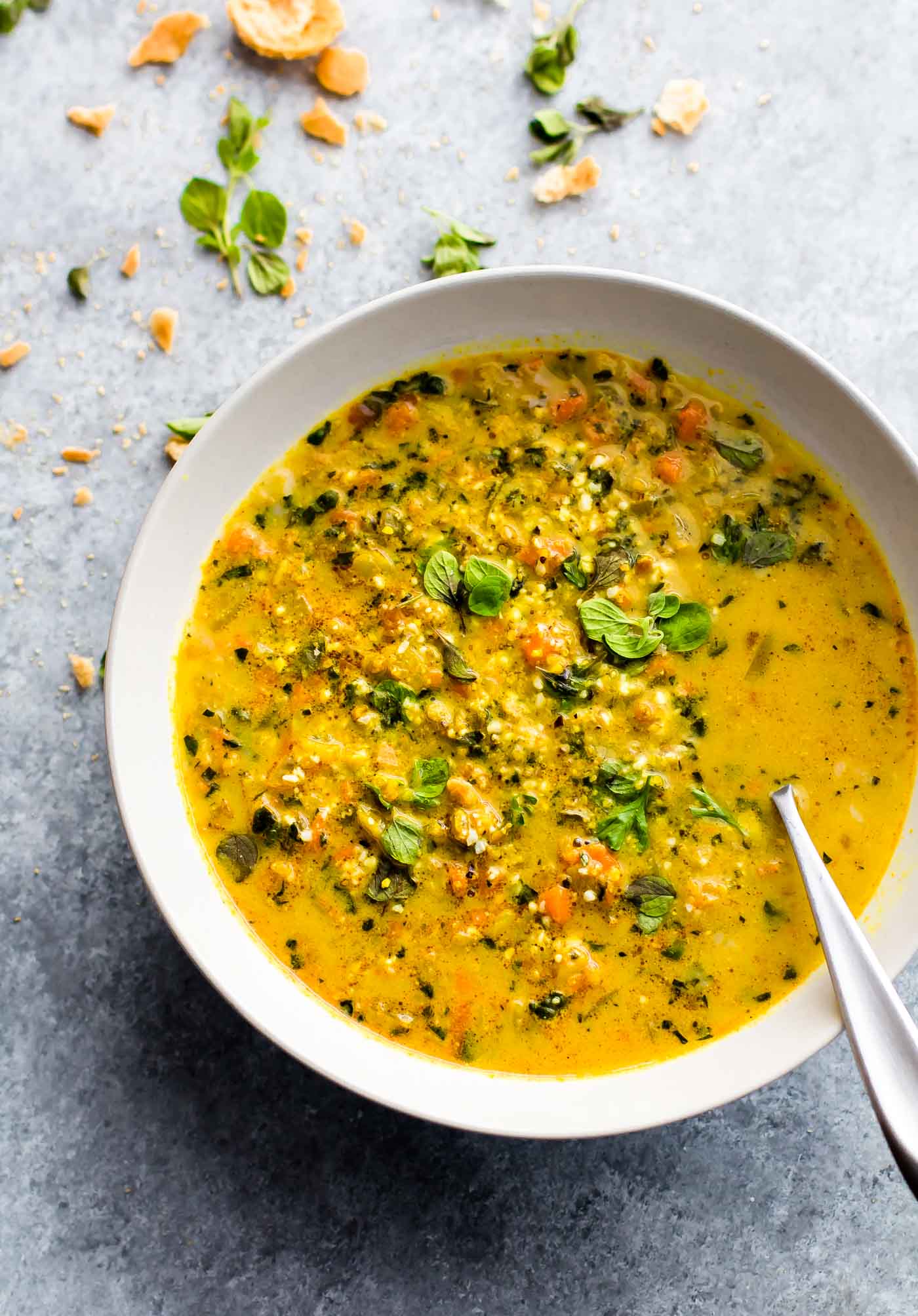
Curried Cauliflower Rice Kale Soup {Paleo, Vegan}
Research finds some discrepancies between food labels and lab values A comparison of label and laboratory sodium values for 1,390 composites (one or more samples of the same food) of 114 foods showed that the majority of the values were in agreement. 5% of labels underdeclared. 14% of labels overdeclared. 22% of private-label brand labels overdeclared. 12% of national brand labels overdeclared.

Brine-injected Meat 40 Percent Salt Water: USDA
Reading Labels - World Action on Salt & Health Some food labels may only state the sodium content. To convert sodium to salt, you need to multiply the amount by 2.5. For example, 1g of sodium per 100g = 2.5 grams of salt per 100g You then need to know the weight of the serving portion in grams e.g. 30g Then divide the concentration of salt per 100g by 100 and multiply by the serving size.

Amazingly Beautiful Old Salt Mine in Romania
Watching Salt? Here's How to Decode Food Labels "Low sodium," "very low sodium," and "salt- or sodium-free" on food labels translate to less than 140, 35, and 5mg per serving, respectively. These front-of-the-package claims can help you spot legit lighter-sodium products at the supermarket—look for low sodium chicken broth, low sodium canned beans, low sodium bread, and low sodium soy sauce.
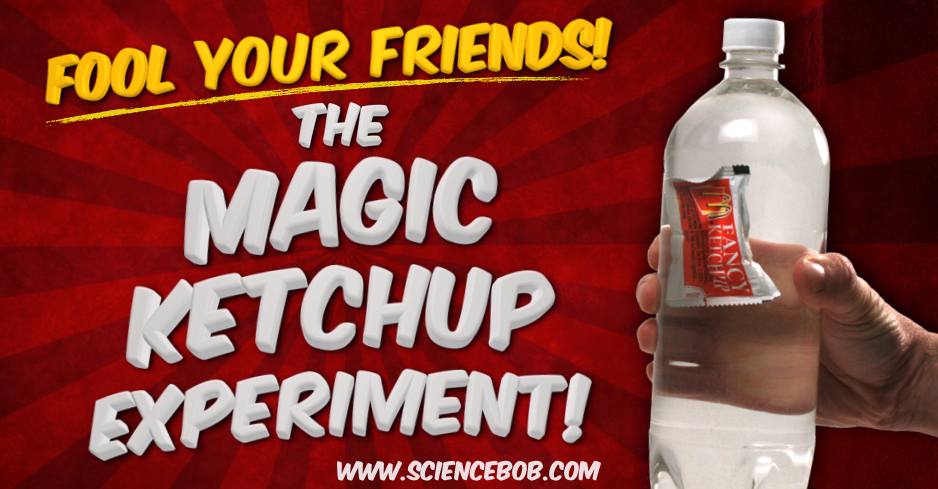
The Magic Ketchup Experiment! - ScienceBob.com
Label Reading the Healthy Way - Alberta Health Services Title: Label Reading the Healthy Way Author: Alberta Health Services Subject: Keywords "Food labels, ingredient list, Nutrition Facts table, nutrient content, health claims, 607856-NFS, 404222-NFS, Food labels, ingredient list, Nutrition Facts table, health claims, making healthier choices, healthy eating, nut^Zt õ=p( ³ú«É0 ¨fV®ªÅEÄùh°~^WØ
Post a Comment for "45 salt on food labels"